
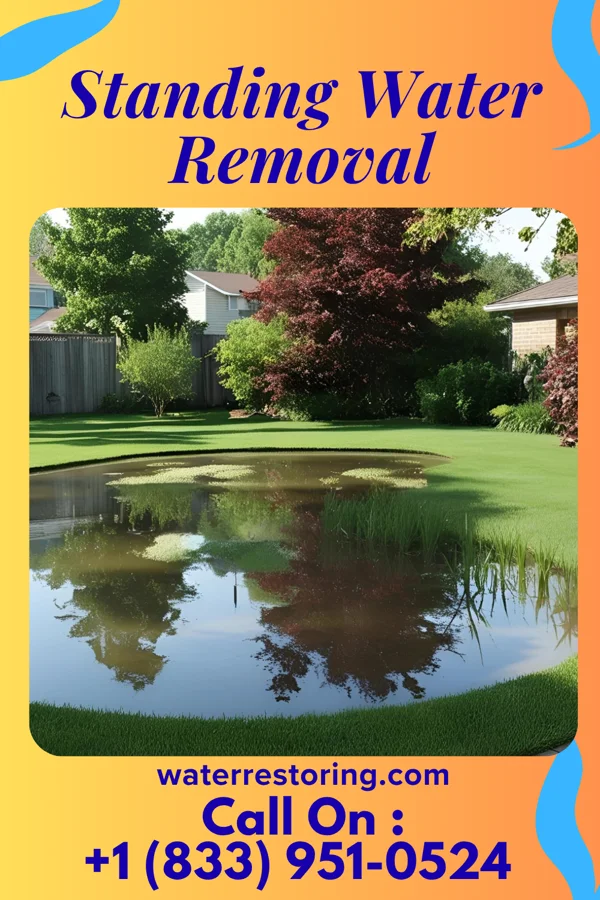
Why Falling Water Standing Water Demands Fast Removal
Most water damage emergencies in Falling Water start with In Falling Water, Tennessee, water damage is often caused by heavy rainfall and flooding due to the area's proximity to the Clinch River and its surrounding hills. Additionally, older homes in the area may have outdated plumbing systems that can lead to leaks and water intrusion.. A close second is Another common cause is groundwater seepage through basements and crawl spaces, especially during spring thawing. Poor drainage around properties can also contribute to standing water and subsequent damage.. From the second water touches the property, every minute changes what gets saved and what gets ripped out.
Falling Water experiences a humid subtropical climate with frequent heavy downpours, increasing the risk of water damage. The region is also prone to flash flooding, especially during the spring and summer months.
Most standing water removal calls in Falling Water come from In Falling Water, Tennessee, water damage is often caused by heavy rainfall and flooding due to the area's proximity to the Clinch River and its surrounding hills. Additionally, older homes in the area may have outdated plumbing systems that can lead to leaks and water intrusion.. Running a close second is Another common cause is groundwater seepage through basements and crawl spaces, especially during spring thawing. Poor drainage around properties can also contribute to standing water and subsequent damage.. Local mold risk: Due to the high humidity and frequent rainfall, mold can develop quickly in standing water scenarios. Prompt action is critical to prevent long-term health and structural issues.