
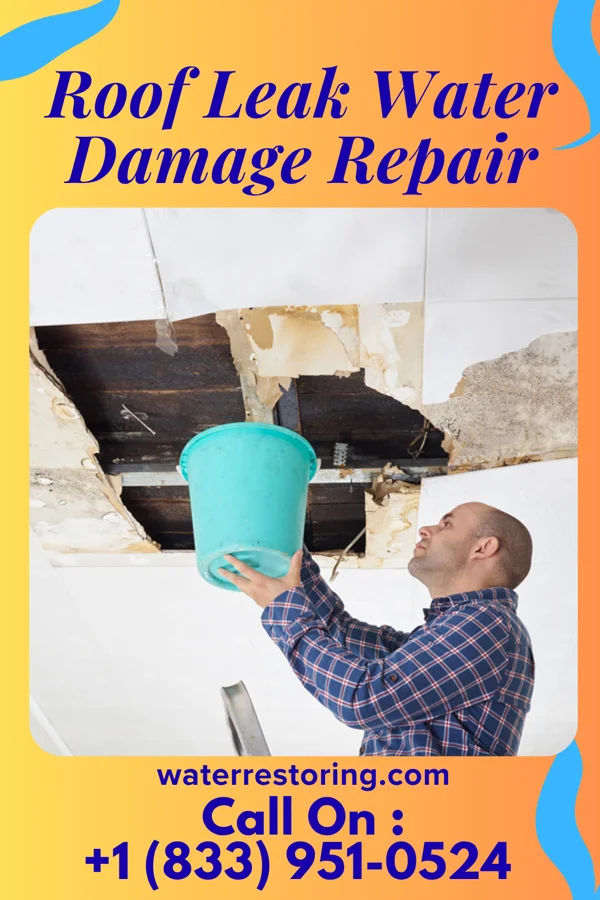
Falling Water Roof Leak Damage: What Owners Should Know
Residential or commercial, water damage emergencies in Falling Water keep coming back to the same drivers. Falling Water, Tennessee experiences frequent spring and summer thunderstorms that bring heavy rainfall, which can quickly overwhelm roofing systems. The region's humid climate also contributes to prolonged moisture exposure, increasing the risk of roof leaks and water damage. sits at the top of the list. A close second is In the fall, Falling Water is prone to strong winds and occasional heavy rain, which can dislodge roofing materials and create new entry points for water. These conditions are especially dangerous during the transition from summer to fall when the weather is unpredictable..
The combination of heavy rainfall, high humidity, and frequent temperature fluctuations in Falling Water can lead to premature roofing material deterioration. This creates a perfect environment for water infiltration, mold growth, and structural damage if not addressed promptly.
Water damage in Falling Water follows a few local patterns. Falling Water, Tennessee experiences frequent spring and summer thunderstorms that bring heavy rainfall, which can quickly overwhelm roofing systems. The region's humid climate also contributes to prolonged moisture exposure, increasing the risk of roof leaks and water damage. accounts for the bulk of our calls. The combination of heavy rainfall, high humidity, and frequent temperature fluctuations in Falling Water can lead to premature roofing material deterioration. This creates a perfect environment for water infiltration, mold growth, and structural damage if not addressed promptly. Mold can begin to grow within 48 hours of water exposure in Falling Water due to the high humidity levels. This risk is heightened in poorly ventilated homes and can lead to respiratory issues and structural damage if not mitigated promptly.